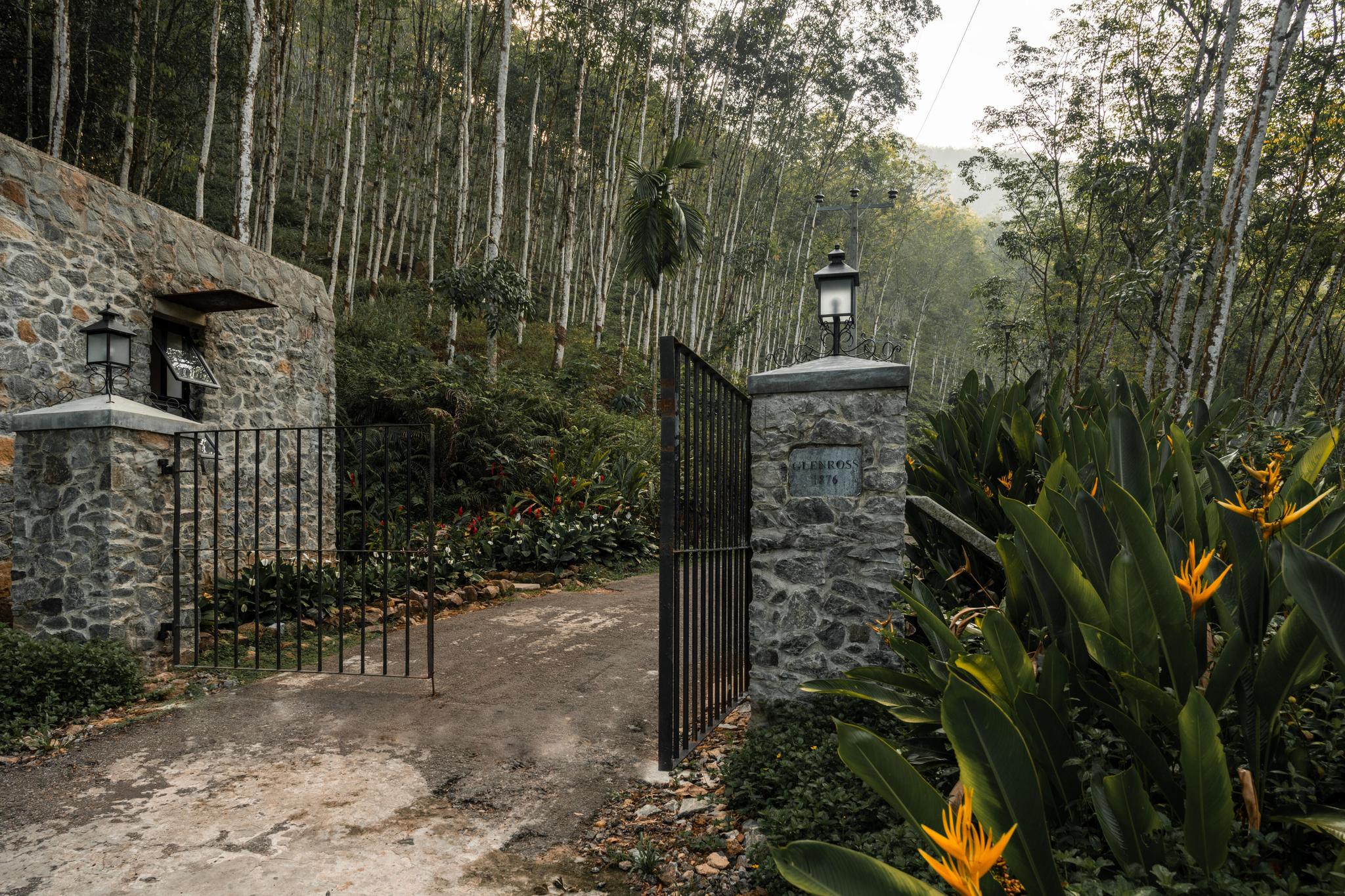
How Glenross Living Is Leading Sustainable & Eco-Friendly Tourism in Sri Lanka
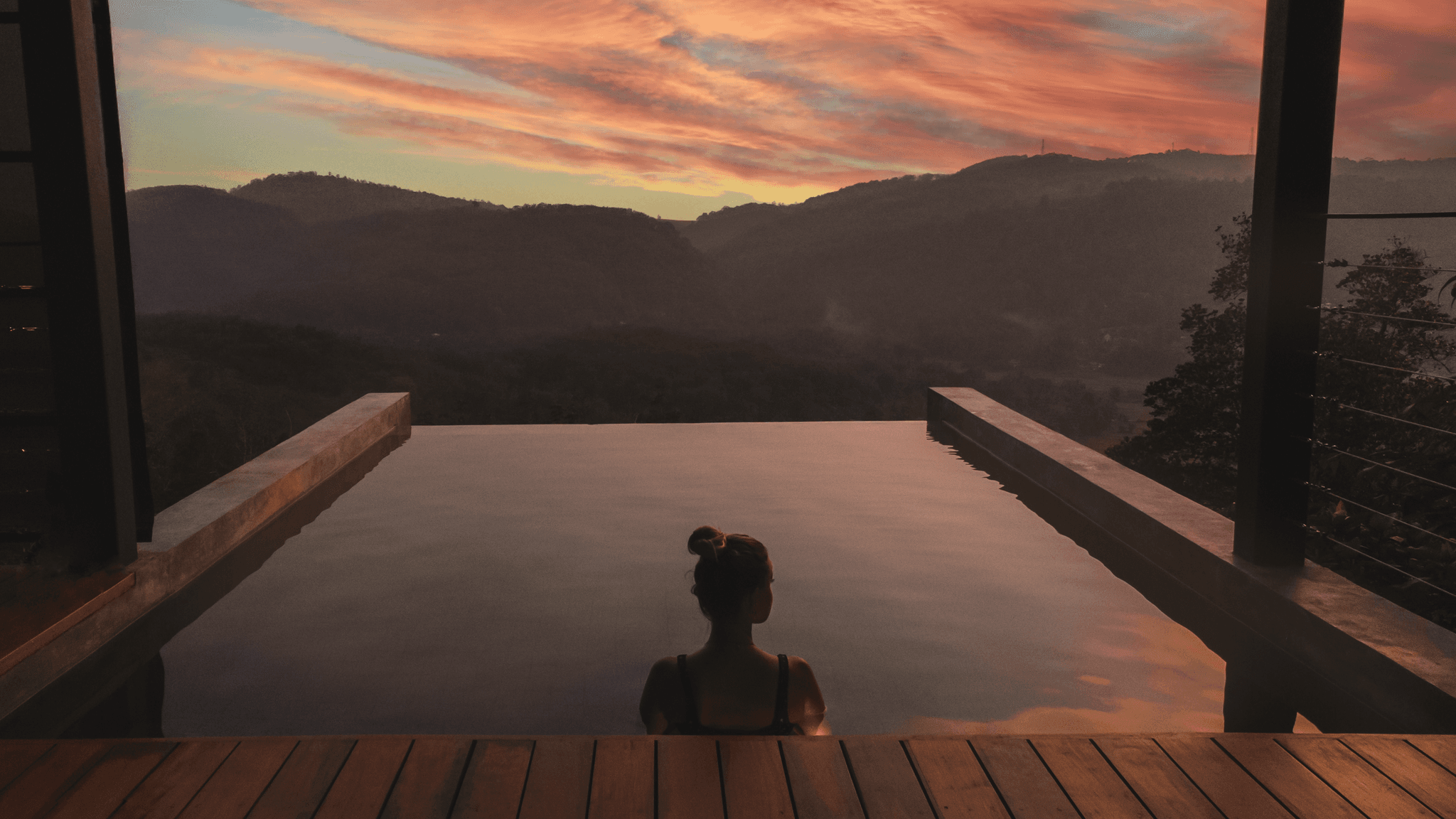
Luxury travel is changing. Travellers are no longer asking only about views, privacy, or design. They’re asking quieter questions: How was this built? What impact does this property have on its surroundings?
Sustainability is no longer a feature added at the end of a development. It has become a decision-making filter.
In Sri Lanka, where tourism and nature exist side by side, the difference between “eco-themed” and genuinely sustainable hospitality is becoming increasingly visible. And in destinations like Kalutara, inland properties are uniquely positioned to approach sustainability in a more meaningful way. This is where Glenross Living operates differently.
Understanding Sustainable Tourism in Sri Lanka
Sustainable tourism in Sri Lanka functions across three interconnected layers.
1. Environmental responsibility
2. Community integration
3. Low-density design
When one of these layers is missing, sustainability becomes just marketing.
Sri Lanka’s west coast, particularly areas like Kalutara, presents a natural opportunity for this model. The region balances coastline, river systems, agricultural land, and small communities within a compact geography. Hospitality developments here either preserve this balance, or disrupt it.
Leading sustainable properties focus on preservation rather than scale.
Why Inland Retreats Offer a More Sustainable Model
Coastal development often concentrates pressure on one strip of land. Many west coast developments maximise ocean frontage through vertical expansion. Inland retreats reverse this equation by prioritising landscape continuity over frontage density.
Elevated properties set back from the shoreline typically:
- Reduce stress on fragile beach ecosystems
- Require less intensive shoreline modification
- Operate with lower guest density
- Integrate more naturally with existing vegetation
In Kalutara specifically, inland terrain rises gently above the coastal highway, allowing properties to benefit from natural airflow, greenery, and shade without heavy artificial intervention.
This model supports sustainability through design rather than retrofitting. Glenross Living aligns with this inland approach.
Environmental Practices at Glenross Living
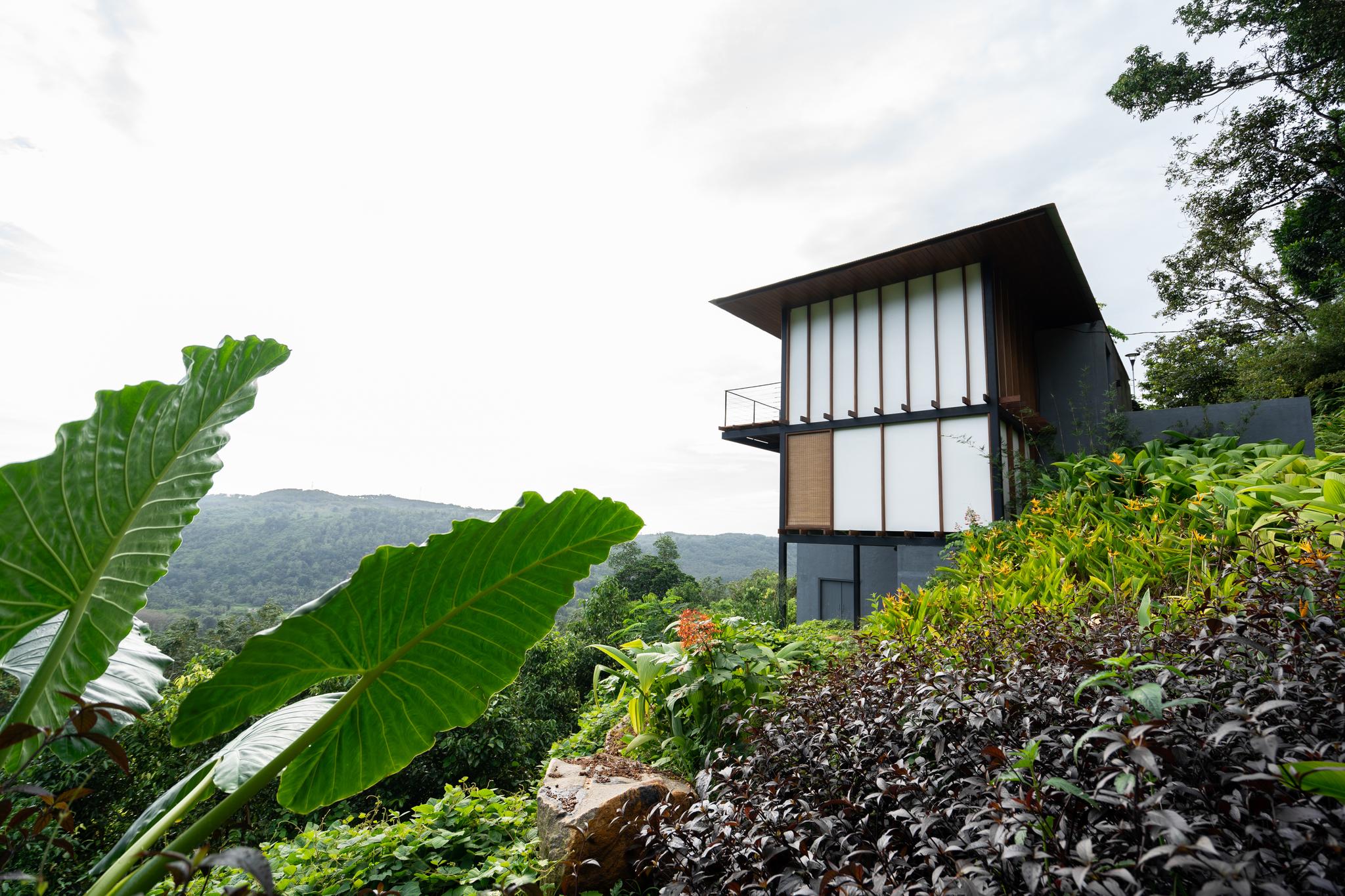
Sustainable hospitality begins with everyday operational decisions. At Glenross Living, environmental responsibility is embedded in how the property functions rather than presented as a decorative theme.
1. Low-Density Development
The property is intentionally limited in scale. Fewer rooms mean reduced resource consumption, less water usage, and lower strain on surrounding infrastructure. Guests experience privacy, while the landscape retains its character.
2. Natural Landscape Preservation
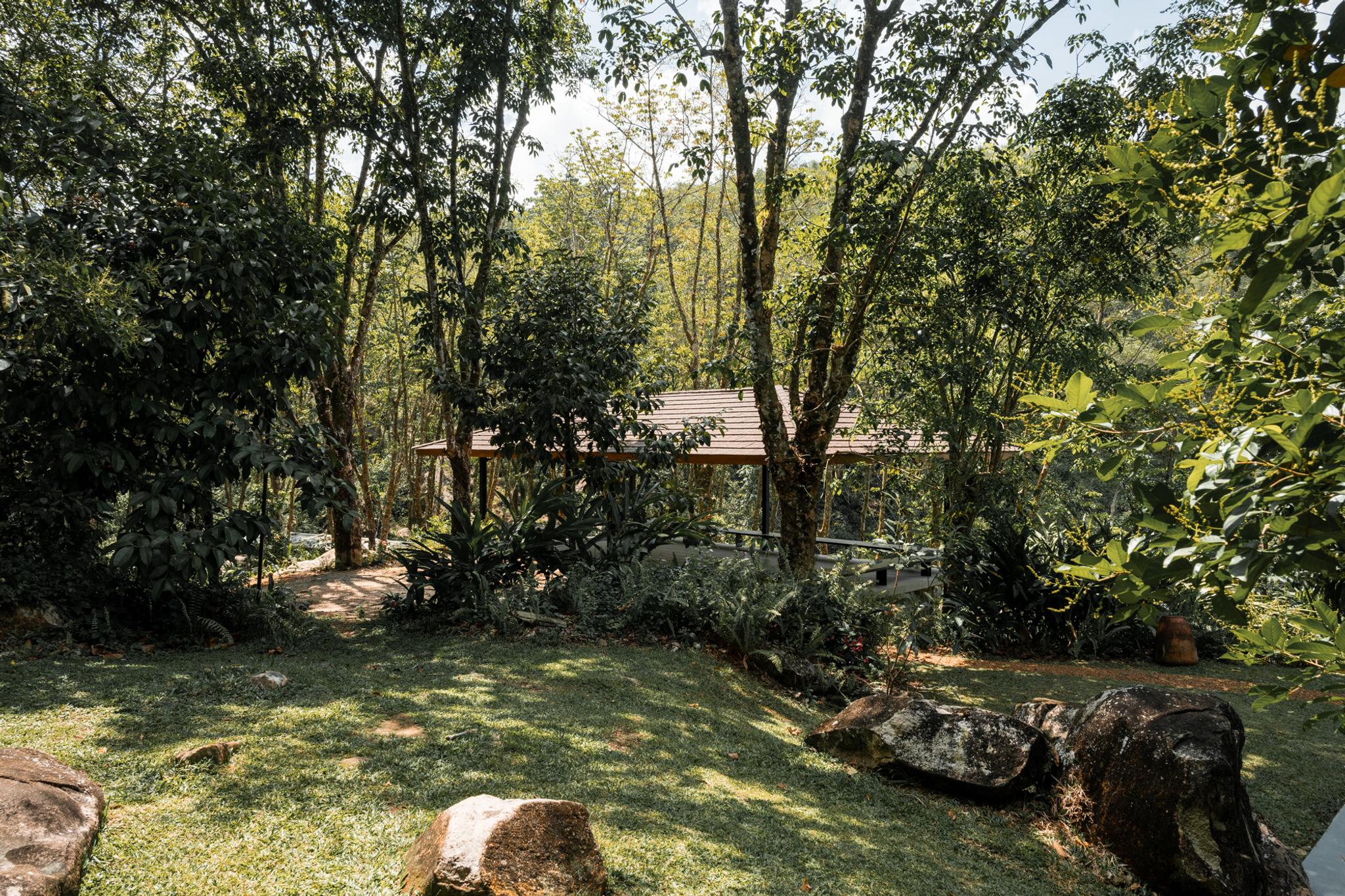
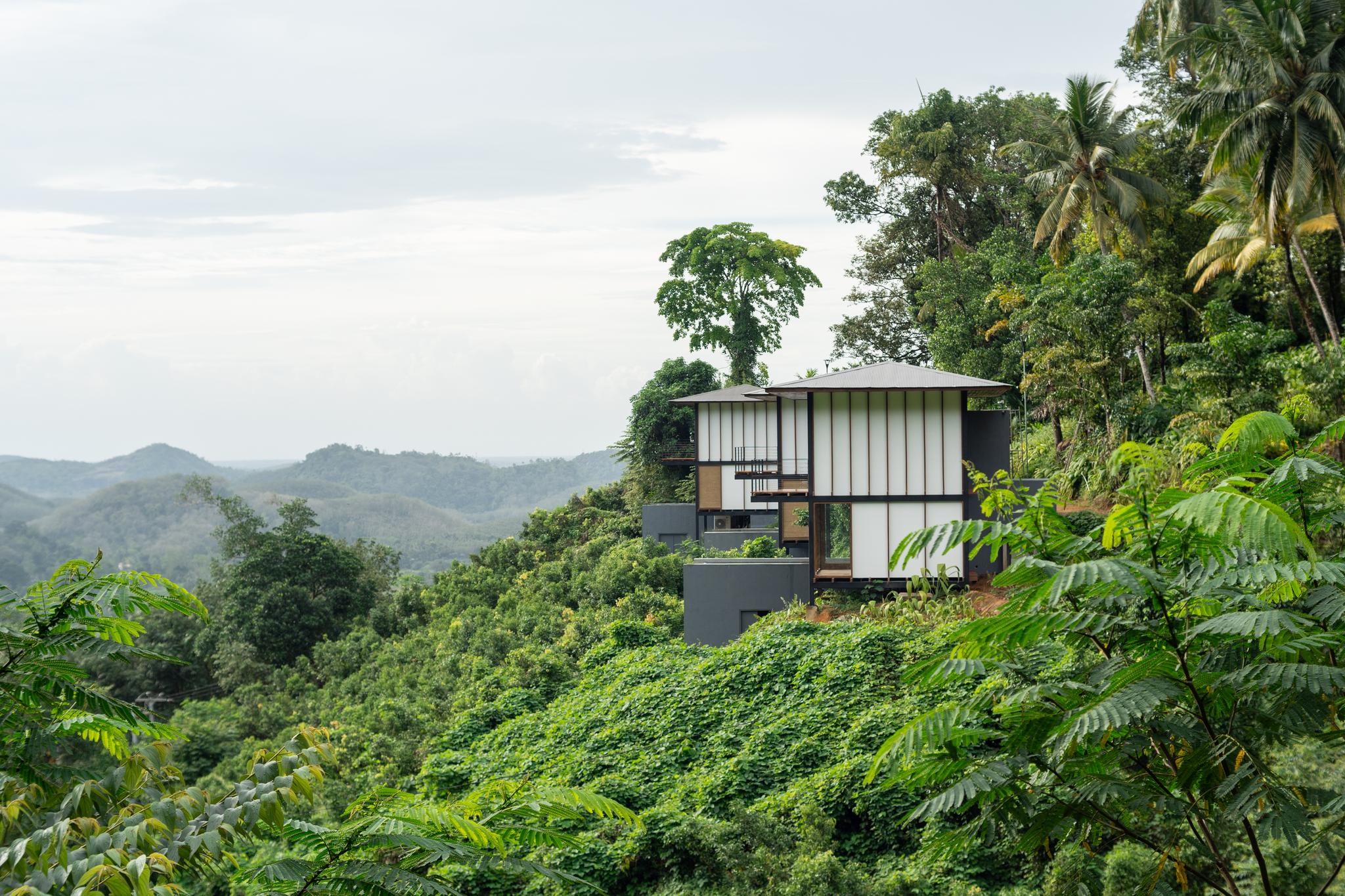
Instead of clearing large areas for construction, the surrounding greenery remains part of the design. Trees, elevation, and natural shade reduce reliance on artificial cooling while preserving biodiversity.
This approach maintains natural airflow, reduced heat retention, and wildlife presence in surrounding areas
3. Responsible Resource Use
Eco-friendly tourism depends heavily on resource management. Sustainable practices commonly include conscious water usage, reduction of single-use plastics, waste segregation and responsible disposal, and energy-efficient lighting and systems.
In smaller, privately managed properties, these systems are easier to implement consistently compared to high-volume resorts.
4. Food Sourcing & Local Produce
Sustainability extends into the kitchen. Working with locally sourced produce reduces transport emissions while supporting nearby farmers and suppliers. Sri Lanka’s west coast region provides access to fresh vegetables, fruits, spices, and seafood without extensive supply chains.
This strengthens both environmental responsibility and community engagement.
The 3 Pillars of Sustainable Luxury at Glenross Living
Glenross Living approaches sustainability more holistically.
1. Landscape-First DesignThe property works with existing elevation, greenery, and natural airflow instead of reshaping the land. Construction footprint is measured, and vegetation remains integral to the experience rather than decorative.
2. Low-Density Private HospitalityLimited guest capacity reduces environmental strain while increasing privacy. Space is prioritised over volume, allowing the setting to remain calm and ecologically balanced.
3. Local Economic CirculationSourcing, staffing, and guest experiences are anchored within the surrounding Kalutara region, ensuring that tourism revenue supports local communities rather than bypassing them.
Supporting Local Communities
True eco-friendly tourism cannot exist independently from its social environment.
Kalutara is not a tourism-only town. It is a functioning community with temples, markets, agricultural livelihoods, and small-scale businesses. Sustainable properties operate as part of this ecosystem rather than apart from it.
Glenross Living contributes through employment opportunities for local staff, collaboration with regional suppliers, and encouraging guests to explore cultural and agricultural experiences nearby.
When guests visit cinnamon farms, river communities, or temple sites, economic benefits circulate locally rather than concentrating solely within resort boundaries.
Wellness as a Sustainable Practice
Wellness in sustainable tourism goes beyond spa menus. It includes how an environment affects sleep, stress levels, and mental load.
Inland properties surrounded by greenery typically experience lower ambient noise, cooler evening temperatures, reduced light pollution, and less commercial traffic.
This naturally supports restorative stays without requiring structured programming.
At Glenross Living, wellness aligns with Sri Lanka’s Ayurvedic heritage. Treatments, yoga, and slower rhythms are integrated into the landscape rather than staged for performance. Open-air settings, natural ventilation, and unhurried scheduling reduce energy consumption while enhancing guest wellbeing.
Sustainability here includes emotional and physical restoration.
Wildlife & Ecological Sensitivity
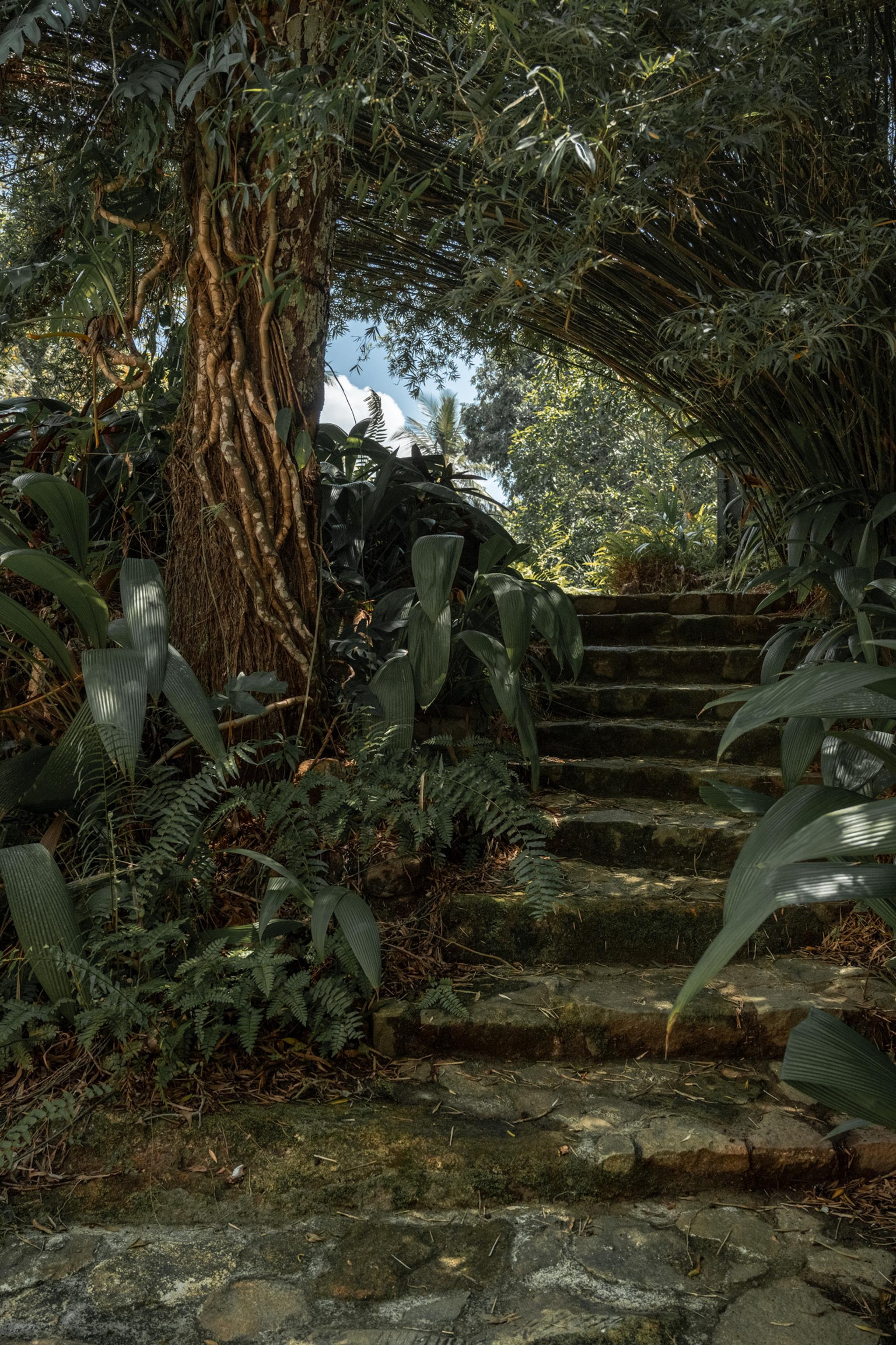
Kalutara’s inland environment intersects with river systems, wetlands, and agricultural land. Birdlife, small mammals, and mangrove ecosystems form part of the regional ecology.
Low-density developments reduce habitat disruption and allow these natural systems to continue functioning alongside tourism.
Guests exploring the Kalu Ganga river, nearby mangroves, or rural roads experience biodiversity that remains intact because development has not overtaken it.
Eco-tourism succeeds when nature remains present without artificial staging.
The Difference Between Eco-Luxury and Eco-Marketing
Many properties adopt sustainability language. Fewer embed it into structure.
Eco-marketing often highlights towel reuse programmes, bamboo straws and decorative greenery.
Eco-luxury focuses instead on reduced construction footprint, long-term environmental planning, local economic integration, and controlled development footprint.
Glenross Living fits within eco-luxury. Its inland positioning, scale, and integration with Kalutara’s landscape allow sustainability to operate quietly rather than loudly. For high-value travellers, this distinction matters.
Why Kalutara Is Well Positioned for Sustainable Travel
Kalutara’s geography makes it particularly suited to eco-friendly tourism. It offers:
- Access to coastline without overdevelopment
- A functioning river ecosystem (Kalu Ganga)
- Agricultural heritage including cinnamon cultivation
- Cultural continuity through active temples
- Proximity to Colombo without heavy urban spillover
Because it has not evolved into a nightlife-heavy tourism strip, the region maintains lower commercial pressure compared to some southern destinations. Sustainable properties here benefit from this balanced development.
Who Sustainable Luxury in Kalutara Suits
Eco-conscious luxury travel in Kalutara typically appeals to:
- Couples seeking privacy without resort density
- Travellers interested in cultural immersion
- Guests prioritising wellness and restoration
- Families wanting meaningful, low-impact experiences
- Remote workers seeking calm natural surroundings
It is less suited to travellers looking for high-energy nightlife or constant structured activity.
Sustainability in this context means slowing down rather than adding more.
This model works best for couples or families of 4-8 guests seeking privacy.
Ideal for 2-5 night slow stays. Best suited to travellers combining wellness and cultural immersion.
FAQs on Sustainable Travel in Kalutara
Is eco-friendly travel in Sri Lanka genuinely impactful?
Yes, particularly when properties prioritise local sourcing, employment, and low-density development. Smaller, independent properties often have greater operational control over environmental practices.
Does staying inland reduce environmental impact?
In many cases, yes. Inland properties reduce pressure on fragile coastal ecosystems and typically operate with lower guest turnover and infrastructure intensity.
Can luxury and sustainability coexist?
Yes. In fact, privacy, space, and lower density, often associated with luxury, align naturally with sustainable tourism principles.
Is Kalutara a good region for eco-conscious travellers?
Yes. Its combination of river landscapes, agricultural heritage, cultural sites, and lower commercial development supports a more balanced tourism model.
The Future of Sustainable Hospitality in Sri Lanka
As coastal areas become increasingly developed, the very elements that draw travellers, open landscapes, living culture, and a sense of calm, risk being diluted by scale and density.
Overdevelopment often replaces character with infrastructure. When construction outpaces environmental planning, beaches become crowded, ecosystems are strained, and destinations lose their natural rhythm. Sustainable hospitality offers an alternative model: one where economic success is achieved through thoughtful design, limited capacity, and long-term environmental consideration rather than volume alone.
Retreats such as Glenross Living illustrate this quieter direction. By working with elevation, greenery, and existing landscape rather than reshaping it, they demonstrate how hospitality can enhance its setting without overwhelming it.
Today’s luxury travellers increasingly seek meaning alongside comfort. In destinations like Kalutara, eco-friendly tourism makes it possible to experience privacy, authenticity, and environmental responsibility within the same stay.
Closing Insight
Sustainable travel in Sri Lanka is about thoughtful placement, measured development, and respect for surroundings. In Kalutara, this balance is still possible. Glenross Living represents a sustainable model where privacy, environmental awareness, and community connection coexist. Not as a theme, but as a structure.
For travellers who want their stay to feel restorative without being extractive, that distinction defines the experience.