Ultimate Guide of to Things to Do in Kalutara, Sri Lanka
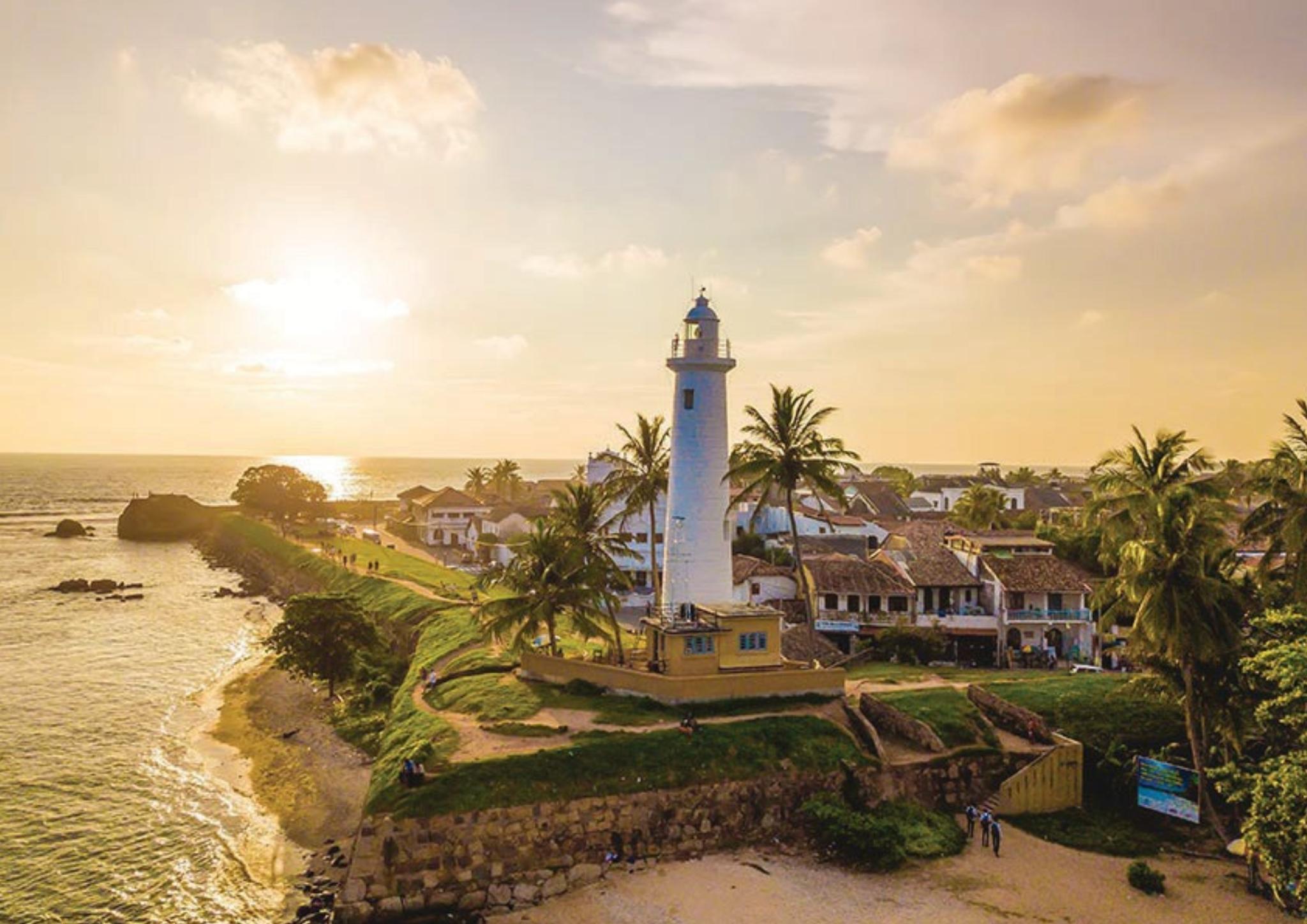
When travellers plan a coastal stay in Sri Lanka, they often look further south. Bentota, Galle, Mirissa.
Cities like Kalutara are commonly treated as a place you pass through on the way to somewhere else. A town glimpsed from the highway. A quick stop near a temple. Rarely a destination in its own right.
Kalutara works differently. It doesn’t compete for attention with surf culture, nightlife, or café-lined streets. Instead, it offers something more refined: calm beaches, living cultural heritage, and a river landscape that shifts the experience inland. For travellers seeking peace, space, privacy, and layered experiences rather than constant stimulation, Kalutara often proves to be one of Sri Lanka’s most rewarding coastal bases.
Before we get started;
Practical Travel Information Before You Go
Best Time to Visit Kalutara: November to April offers calmer seas and drier weather.
How to Get There: Approximately 1–1.25 hours south of Colombo by car or train.
How Many Days You Need in Kalutara: Two to three nights for a short escape; longer if combining river and day trips.
Why Should You Choose Kalutara for Your Trip?
Kalutara offers 3 distinct factors that make it stand out as an ideal travel destination in Sri Lanka.
- The Beachfront
Kalutara’s coastline stretches along Sri Lanka’s western shore, offering wide sandy beaches that feel less commercial than some southern hotspots. The beachfront is not built around heavy foot traffic or rows of restaurants. It feels open and breathable.
- The Cultural & Temple Core
At the heart of Kalutara sits Kalutara Bodhiya, one of the most revered Buddhist sites in the country. Nearby, Gangatilaka Vihara adds architectural and spiritual depth to the town.
Pilgrims, families, and visitors move through the town with purpose. The atmosphere feels lived-in rather than curated for tourism.
- The Kalu River & Inland Landscape
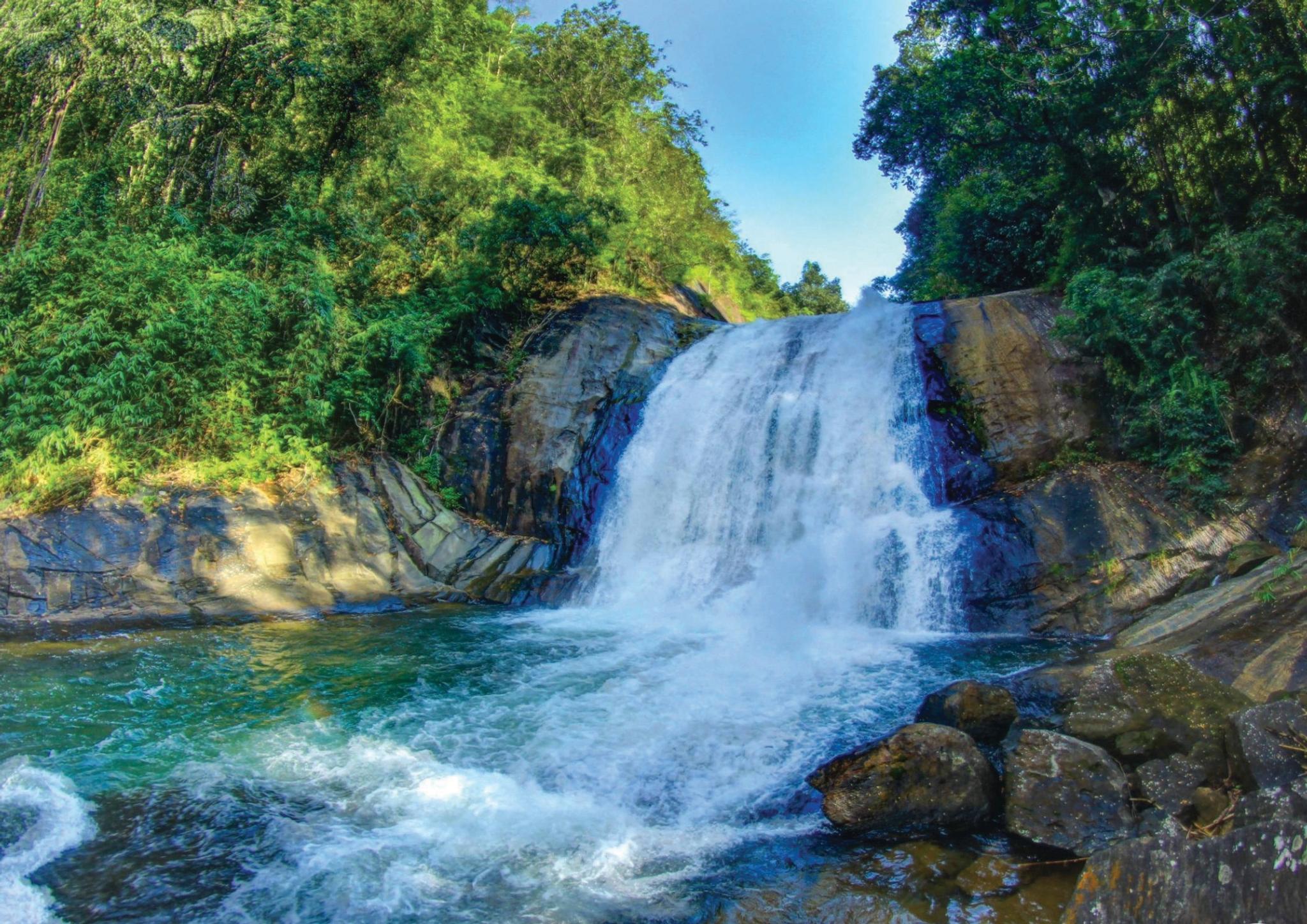
Flowing quietly through the region is the Kalu Ganga, one of Sri Lanka’s major rivers. It shapes the inland scenery with mangroves, wetlands, and rural pockets that feel far removed from the coastal highway.
For travelers willing to explore beyond the shoreline, this river landscape opens up boat rides, bird life encounters, and slower, more immersive experiences.
6 Best Things to do in Kalutara
1. Visit Kalutara Bodhiya
Kalutara Bodhiya is one of Sri Lanka’s most sacred Bodhi trees, believed to be a sapling of the original tree under which the Buddha attained enlightenment.
Why it matters: This is not just a temple; it’s an active pilgrimage site. Visiting offers insight into living Sri Lankan Buddhist practice rather than museum-style history.
When to visit: Early morning or late afternoon offers cooler temperatures and softer light. Mornings tend to be quieter.
On your visit, dress modestly. Remove shoes before entering sacred areas. The stupa’s interior murals provide context to Buddhist teachings, making it worthwhile to spend time rather than simply passing through.
2. Explore Gangatilaka Vihara
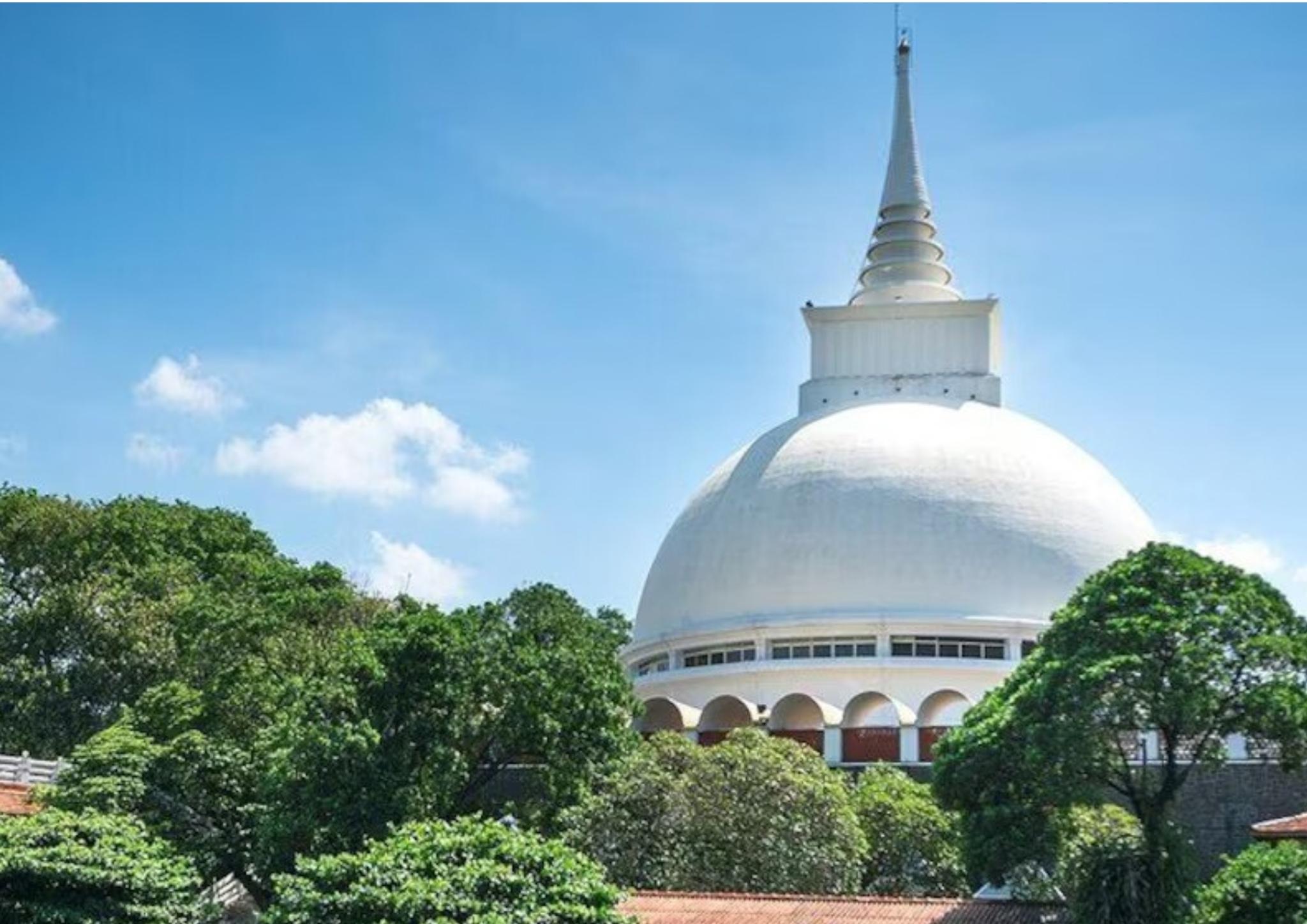
Gangatilaka Vihara stands out for its large white dome and interior paintings. Unlike ancient ruins elsewhere in Sri Lanka, this temple feels contemporary yet deeply symbolic.
Its circular interior is decorated with murals depicting key moments in Buddhist philosophy. For culturally curious travellers, this site offers architectural interest and religious continuity in one space.
3. Walk Kalutara North Beach
Kalutara North Beach is wide and generally less crowded than southern beaches.
The best time to visit is early morning for long walks; late afternoon for sunset.
Sea conditions vary by season. Between November and April, the west coast is typically calmer. Outside these months, currents can be stronger.
Compared to Bentota, Kalutara feels less commercial. There are fewer water sports operators and less concentrated activity, which many travellers prefer for short stays focused on rest.
4. Experience the Kalu Ganga
The Kalu Ganga provides a different perspective on the region.
River safaris and boat rides reveal mangroves, water monitors, and birdlife including kingfishers and herons. Sunset cruises are especially atmospheric.
For luxury travellers, private boat arrangements allow quieter, personalised experiences without group tours. The river feels expansive yet intimate, a shift from the open coastline.
5. Visit Richmond Castle
Richmond Castle reflects Sri Lanka’s colonial-era architecture. Built in the early 20th century, the mansion sits within landscaped gardens overlooking the river.
Visitors can walk through high-ceilinged rooms, carved wooden staircases, and open verandas. It offers historical context without overwhelming scale, ideal for a half-day cultural outing.
Optional Day Trip - Discover Fa Hien Cave
Fa Hien Cave, located inland near Kalutara, is one of South Asia’s most significant prehistoric archaeological sites.
It has yielded evidence of early human habitation dating back thousands of years. For travellers interested in anthropology or early civilisation, this excursion adds depth beyond beach and temple visits.
Top 5 Travel Experiences in Kalutara
Rather than chasing attractions, the most memorable experiences in Kalutara tend to unfold slowly. These are experiences that consistently define a Kalutara stay.
1. Sunset Boat Experience on the Kalu Ganga
The Kalu Ganga (Kalu River) flows gently through Kalutara before meeting the sea, creating a wide, reflective waterway framed by mangroves and coconut palms. Private boat experiences here offer a completely different atmosphere from the open ocean.
Late afternoon cruises are particularly rewarding. As the light softens, the river becomes mirror-like, and birdlife becomes more active along the banks. Kingfishers, herons, and water monitors are commonly sighted. Arranging a private boat allows great flexibility.
2. Boutique Spa, Yoga & Wellness Rooted in Ayurveda
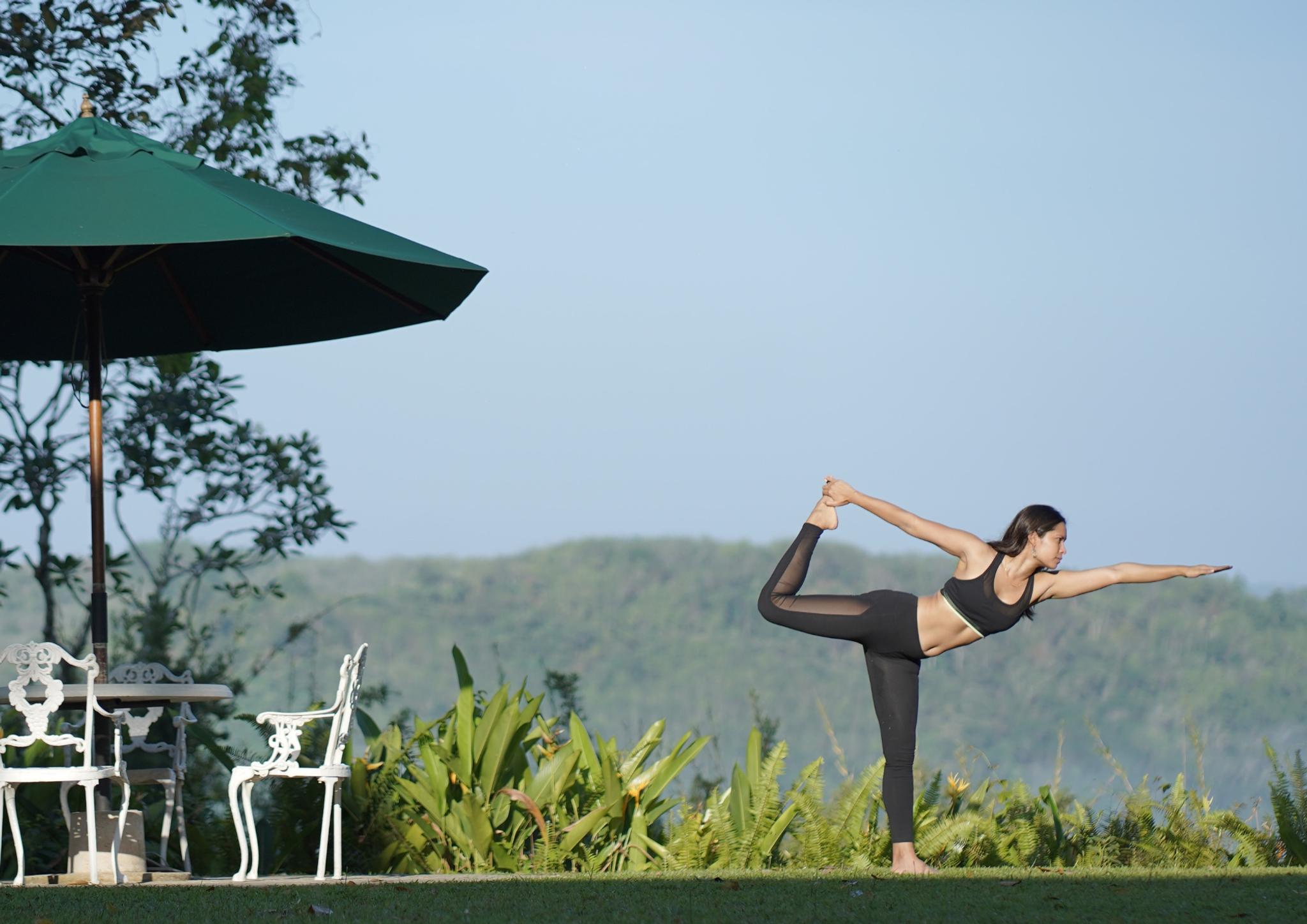
Wellness in Kalutara tends to feel grounded rather than performative. Many properties including Glenross Living and independent practitioners offer Ayurvedic-inspired treatments, Yoga and other wellness programs that focus on balance and recovery rather than quick-fix spa rituals.
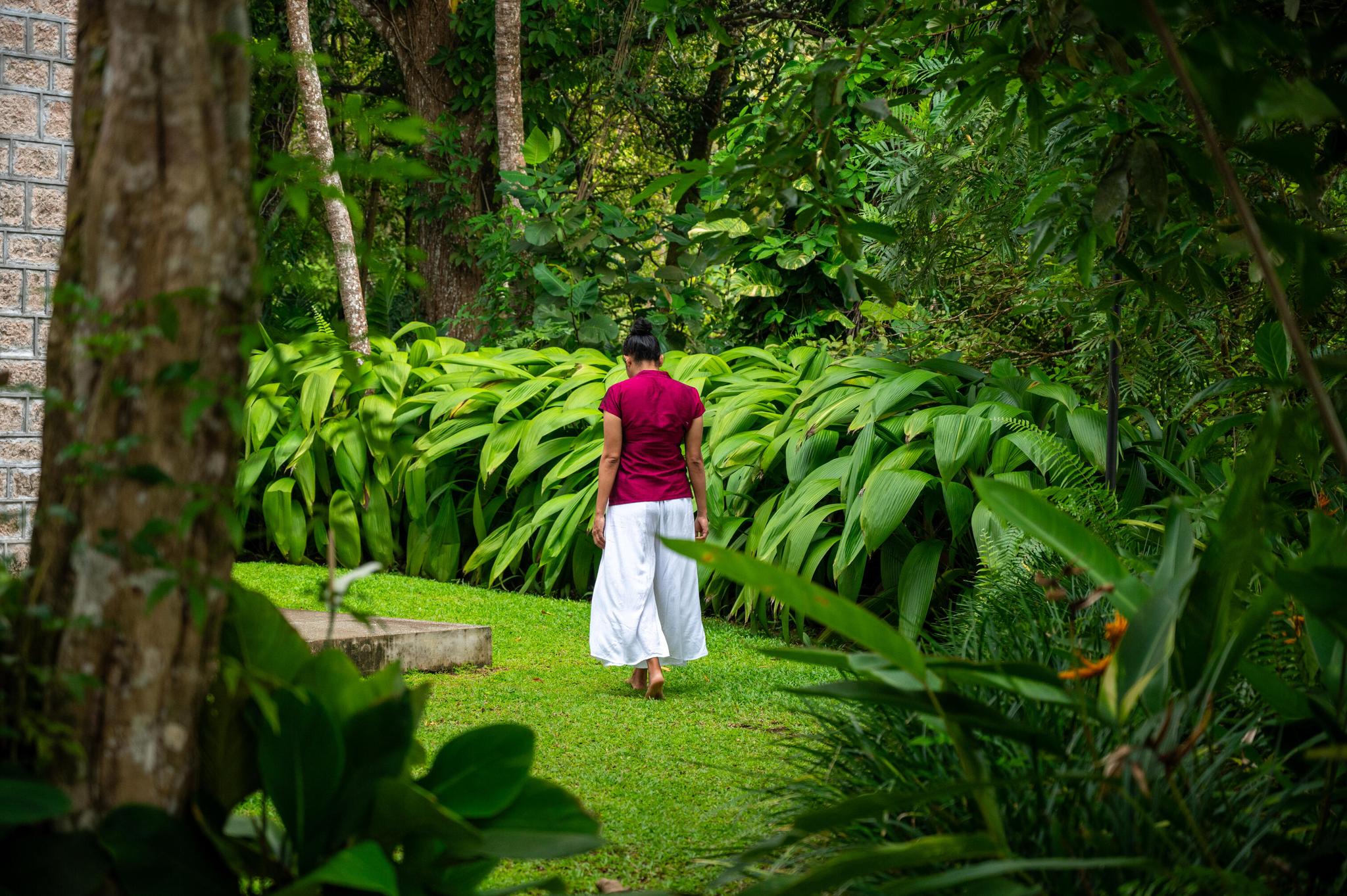
Ayurveda, Sri Lanka’s traditional system of medicine, incorporates herbal oils, therapeutic massage, and gentle detox treatments tailored to individual constitution. Treatments are often delivered in open-air pavilions or quiet garden settings, where natural ventilation and ambient sounds replace artificial spa atmospheres.
Because Kalutara is not heavily commercialised, wellness here feels personal. Appointments are typically unhurried, and practitioners often take time to explain herbs and techniques used.
For travellers coming off long-haul flights or busy itineraries, this kind of understated wellness becomes less about indulgence and more about restoration.
3. Tea & Cinnamon Experiences in the Surrounding Region
The Kalutara district is part of Sri Lanka’s long-standing cinnamon-growing belt. Visiting a small-scale cinnamon operation reveals how this globally traded spice is harvested by hand.
Skilled workers carefully peel the inner bark of cinnamon stems, rolling them into the familiar quills seen worldwide. The process is meticulous and largely unchanged for generations.
Beyond cinnamon, the broader region offers access to tea estates further inland. While Sri Lanka’s central highlands are more famous for tea, smaller estates near the west coast provide insight into cultivation, processing, and tasting.
For culturally curious travellers, these visits add agricultural context to Sri Lanka’s colonial and trade history.
4. Slow Coastal Drives Along Sri Lanka’s Western Shore
The coastal road running through Kalutara reveals daily Sri Lankan life at an unfiltered pace. Early morning drives pass fishermen returning with nets, small temples by the roadside, and coconut vendors stacking fresh king coconuts for sale.
Unlike more touristic stretches further south, this section of coastline feels less curated. Roadside fruit stalls, local bakeries, and open stretches of sand appear without signage or fanfare.
Stopping without a strict itinerary often yields the best moments, a quiet patch of beach, a village shrine, or a spontaneous conversation.
For travellers with private drivers or rental vehicles, these drives provide a sense of place that doesn’t require structured tours.
5. Mangrove Exploration & Nature Encounters
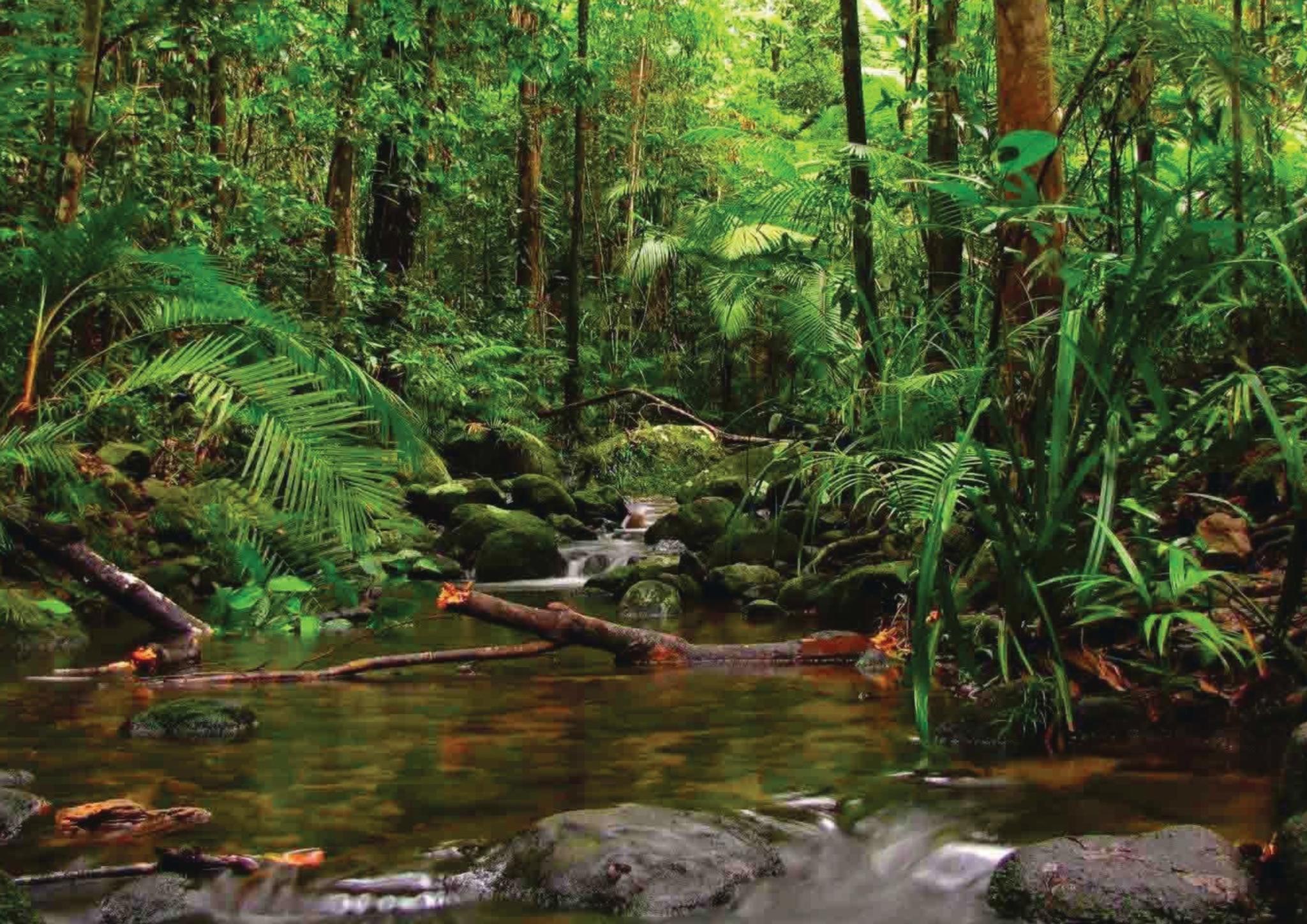
Mangrove systems along the Kalu Ganga create sheltered ecological zones rich in birdlife and aquatic species. Small boat excursions through these narrower channels offer close views of interlocking root systems and calm, shaded waters.
Birdwatchers may spot herons, cormorants, kingfishers, and occasionally brahminy kites. Early morning and late afternoon are the most active periods.
Beyond the river, inland cycling routes weave through paddy fields and coconut groves. These roads are relatively flat and lightly trafficked, making them suitable for relaxed cycling rather than endurance riding.
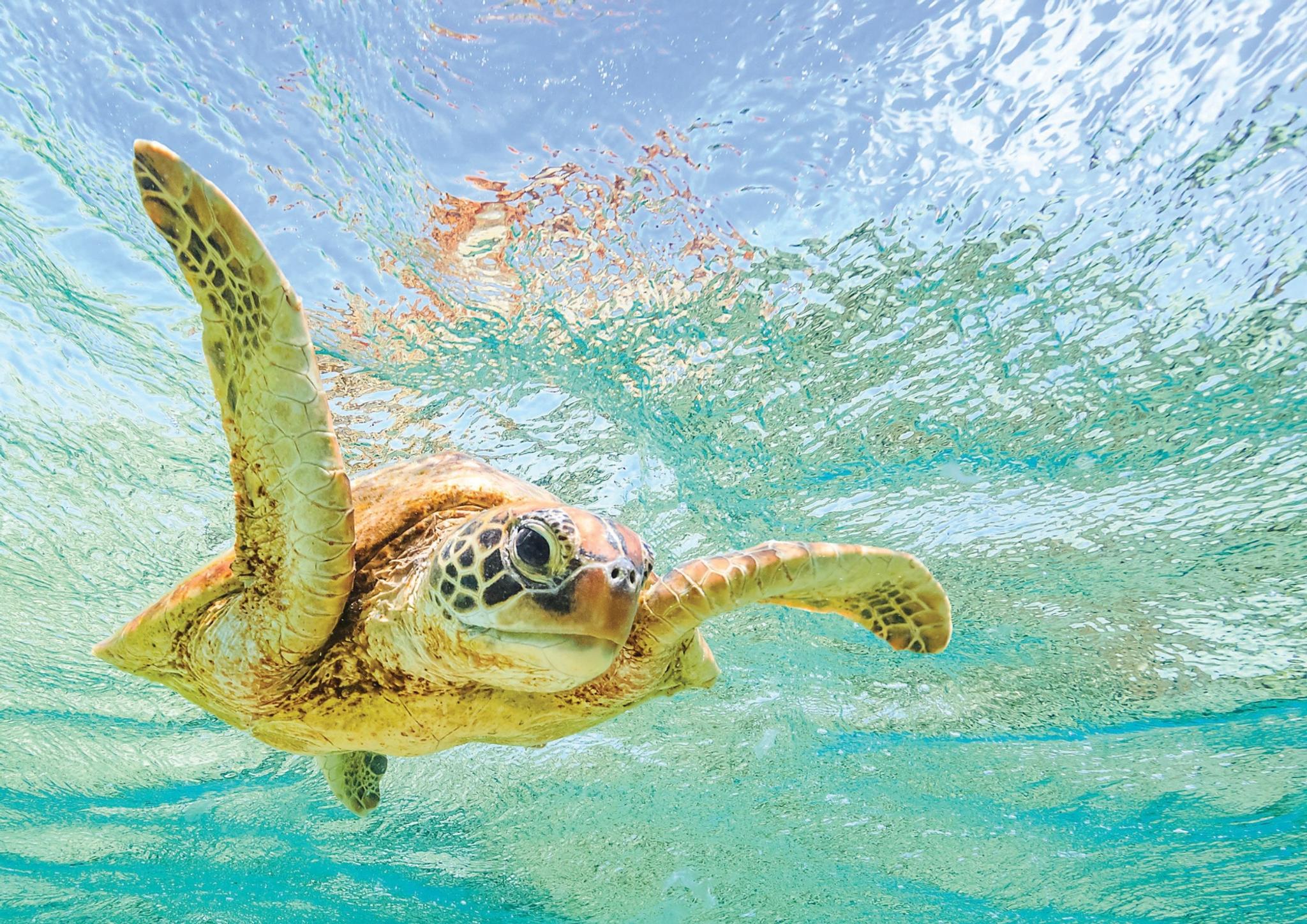
Seasonally, travellers may also visit turtle hatcheries in nearby Kosgoda. These centres focus on protecting turtle eggs from predators and releasing hatchlings into the ocean at safe times. Visits are educational rather than commercial, especially for families interested in conservation.
Best Day Trips from Kalutara
Kalutara works exceptionally well as a base. Its location along Sri Lanka’s west coast allows travellers to explore nearby destinations during the day while returning to a quieter, less commercial environment in the evening.
- Bentota (15–20 minutes south)
- Beruwala (approximately 20–25 minutes)
- Kosgoda (around 30–35 minutes)
- Colombo (1–1.25 hours north)
Staying in Kalutara allows travellers to access these varied experiences without changing accommodation, preserving continuity and calm throughout the trip.
Who Kalutara Is Best For
Kalutara suits:
- Couples seeking quiet coastal time
- Families wanting manageable excursions
- Cultural travellers interested in active temples
- Short luxury escapes from Colombo
- Remote workers seeking privacy and nature
It is less suited to travellers seeking nightlife or constant café culture.
Where to Stay in Kalutara
Accommodation shapes the experience. Beachfront resorts provide direct ocean access but may carry higher density.
But river-facing properties offer calmer surroundings with less foot traffic, and Inland villas provide privacy and space.
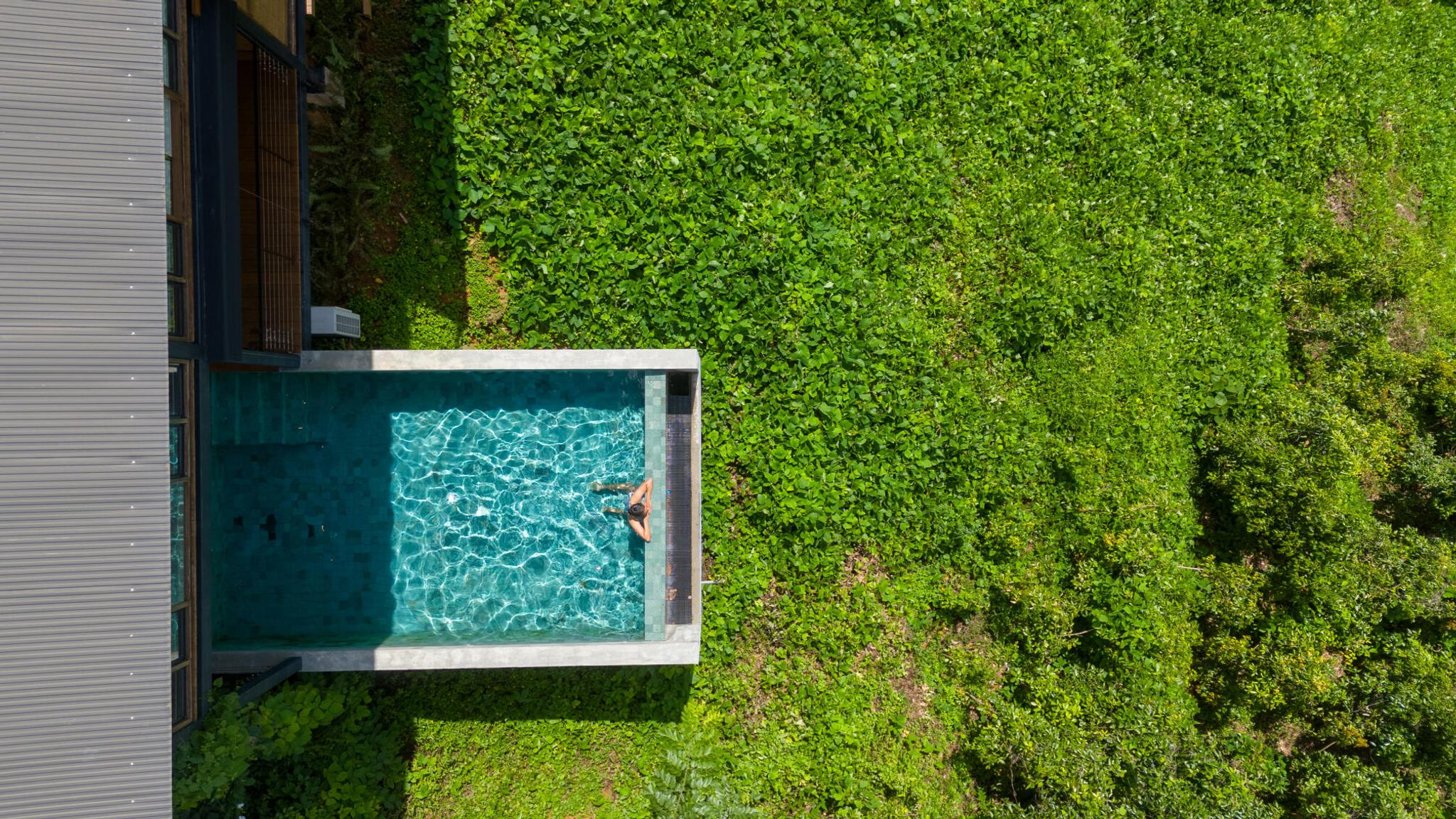
For travellers who prefer elevated inland retreats surrounded by greenery, Glenross Living offers the ideal getaway in Kalutara. Set away from the typical tourist rush and routine.
This type of stay suits guests who value privacy over proximity to crowds and prefer the inland landscape as much as the beach.
Why Inland Villa Stays Work Better in Kalutara
Kalutara’s appeal lies in its balance between coastline and inland landscape. While beachfront resorts offer direct sea access, they also concentrate movement, foot traffic, and shared spaces in one zone.
Inland villas are different. Properties set slightly away from the shoreline benefit from elevation, greenery, and reduced density. Instead of hearing constant ocean wind and nearby resort activity, guests experience quieter surroundings shaped by trees, river breezes, and open views.
Sure, it’s not for everyone, but it generally attracts travellers who want to experience this serenity.
In Kalutara specifically, the inland terrain rises gently above the coastal strip. This elevation creates:
- Greater privacy
- Broader sightlines
- Reduced noise
- Cooler evening temperatures
This is where Glenross Living aligns particularly well with the destination. Positioned inland rather than directly on the crowded beachfront, it offers seclusion without isolation. Guests remain within easy reach of the beach, temples, and river, but return each evening to a setting defined by greenery, openness, and calm.
Is Kalutara Worth Visiting?
Yes, especially for travellers who value calm, cultural continuity, and layered landscapes over high-energy beach scenes.
Kalutara may not offer the nightlife of southern surf towns, but it provides something more sustainable: wide beaches without heavy commercialisation, active temple life, river ecosystems, and easy access to both Colombo and nearby coastal destinations.
For short luxury escapes from the capital, Kalutara delivers proximity without congestion. For longer stays, it offers enough variety without overwhelming the itinerary.
Is Kalutara Better Than Bentota for Luxury Travel?
It depends on the type of luxury you prefer.
Kalutara is better for travellers seeking privacy, cultural depth, and low-density coastal environments. The beaches are quieter, the atmosphere is less commercial, and experiences extend beyond the shoreline to temples and the Kalu River.
Bentota is better for travellers who want water sports, organised excursions, and resort-driven activity. It offers more visible tourism infrastructure and a wider range of structured experiences.
Simply put, choose Kalutara for calm, space, and refined coastal stays, choose Bentota for activity, variety, and water-based experiences.
FAQs
Is it safe to swim in the sea in Kalutara?
Swimming conditions in Kalutara vary by season. The west coast is generally calmer from November to April, while currents can be stronger outside these months. It’s always advisable to check local guidance and sea conditions before entering the water.
Is Kalutara better than Bentota?
Kalutara suits travellers seeking a quieter, more culturally rooted environment, while Bentota offers more organised water sports and activity-based tourism. The better choice depends on whether you prioritise calm or entertainment.
How far is Kalutara from Colombo?
Kalutara is located approximately 40–45 kilometres south of Colombo and can be reached in about one to one and a quarter hours by road, depending on traffic conditions.
Is Kalutara good for luxury stays?
Yes. Kalutara is well suited to luxury travellers seeking privacy, spacious villas, and lower-density environments rather than high-traffic resort zones or nightlife-driven areas.
What are the best things to do in Kalutara for couples?
Couples often enjoy sunset beach walks, private river cruises on the Kalu Ganga, temple visits, and curated dining experiences in quieter, more intimate settings.
Conclusion
Kalutara offers culture without spectacle, beaches without pressure, and river landscapes that soften the pace of travel. Close to Colombo yet distinct in atmosphere, it serves as a refined coastal alternative for those who value space and quiet over visibility.
For travellers willing to look beyond the obvious southern hotspots, Kalutara reveals itself not as a stopover, but as a destination in its own right. For travellers seeking elevated inland privacy in Kalutara, Glenross Living reflects the quieter side of the destination.